Every hymn of the CELESTIAL CHURCH OF CHRIST has a date, a place and circumstances. The very first one bears the number 239 in the Church's hymn register: "Bien chers frères croyants", "Dear brother believers". It was given on Sunday 5 October 1947, in Porto-Novo, six days after the founding of the Church, and it fixed for ever the way the whole Church sings.
The first service
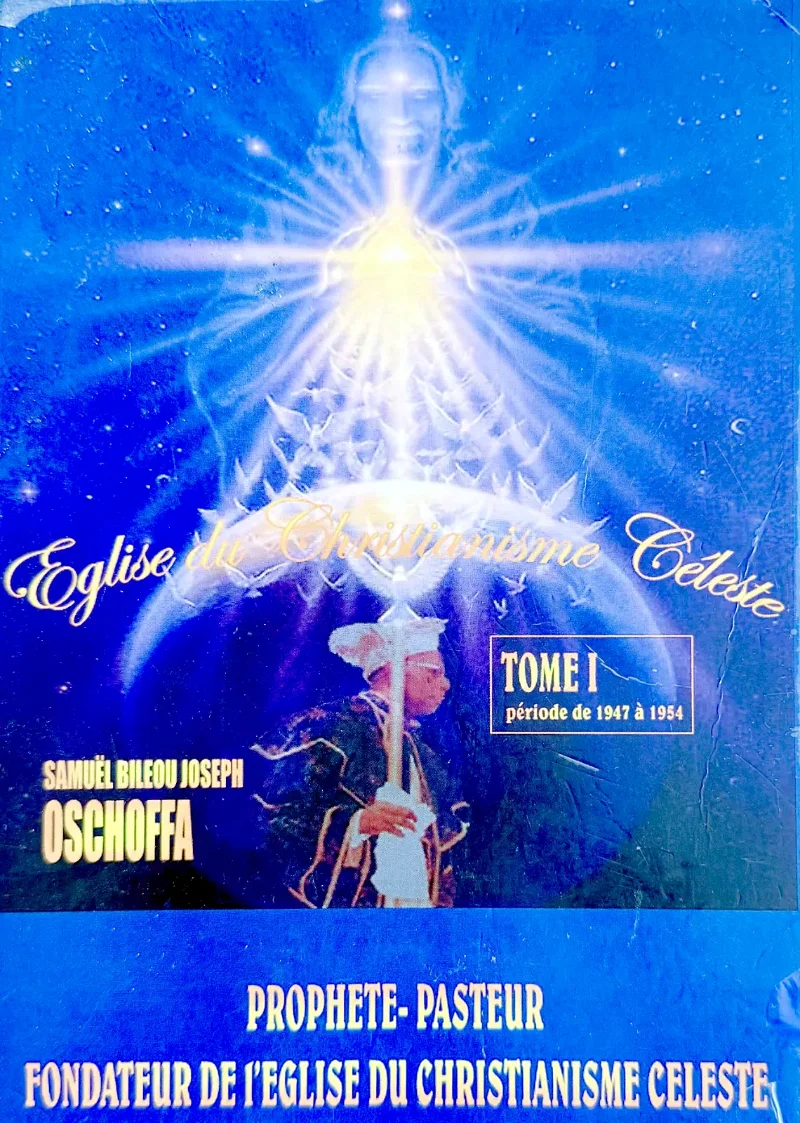
On Monday 29 September 1947, at around 3 in the afternoon, the future Prophet received the command to found the Church. The following Sunday, 5 October, he prayed in public for the first time, calling on Jehovah, Jesus Christ and Saint Michael. This took place in Porto-Novo, in the small sitting room of the family house he had inherited from his father; only ruins remain of it today. Around him were a small handful of faithful, and many onlookers who had come to see what God was doing in this man's home.
A stranger seized by the Spirit
Among the onlookers was a woman. She did not belong to the Church. During the prayer, the Holy Spirit came down upon her, and a hymn came out of her mouth, in Goun, the language of Porto-Novo:
Oh! dear brother believers, lift up your heads and give ear to what Jehovah says. Do you know why you are in this great Church? Do you know why you are in this great Church? May Holy Mary come to accompany us, and may all the saints together accompany us.
She sang it again and again, several times over. Then she left, and no one ever saw her again. No one remembered her name or her face. A name is sometimes put forward for her; the Prophet, who was there, never gave one.
Hymn 239 has only this one verse. It asks those who have just come in a question: do they know why they are in this great Church? It invites them to lift up their heads and listen to what Jehovah says, and it calls on Holy Mary and all the saints to accompany them. The Church was then only a week old, and the hymn already called it "this great Church".
The rule of the first day
At once, the Spirit told the Prophet: in this Church, during services, only hymns revealed by the Holy Spirit shall be sung; none shall be taken from elsewhere. And so it shall be until the end of time. This is what separates the hymns of the services from songs of thanksgiving.
Hymn 239 is therefore not one hymn among others: all the revealed hymns that followed, and there are hundreds of them, came after it and under the same rule. The only exception would come from the Prophet himself, in 1953, with a few "adopted hymns" from a Protestant hymn book, for the faithful who understood neither Goun nor Yoruba.
How the hymn was kept
In 1947, there was neither a choir nor a musician to write down the music. But as a boy at boarding school, the Prophet had learned a little music theory and trumpet, alongside his childhood companion, Nathaniel A. YANSUNNU. Thanks to this, he kept the tune and the words of the hymn. After each service, he taught it himself to the small handful of faithful. But they remembered it poorly, and the hymn became distorted.
At the end of 1947 or the beginning of 1948, Nathaniel A. YANSUNNU, who was living in Côte d'Ivoire, came back to Porto-Novo. He wrote down the music and words of 239, then of every hymn the Spirit gave. He translated 239 from Goun into Yoruba. The French translation, for its part, is the Prophet's own, which Nathaniel A. YANSUNNU only touched up. It was he who would found the Church's first choir, in Abidjan, in February 1950: Abidjan, February 1950: the birth of the celestial choir.
The Prophet's version
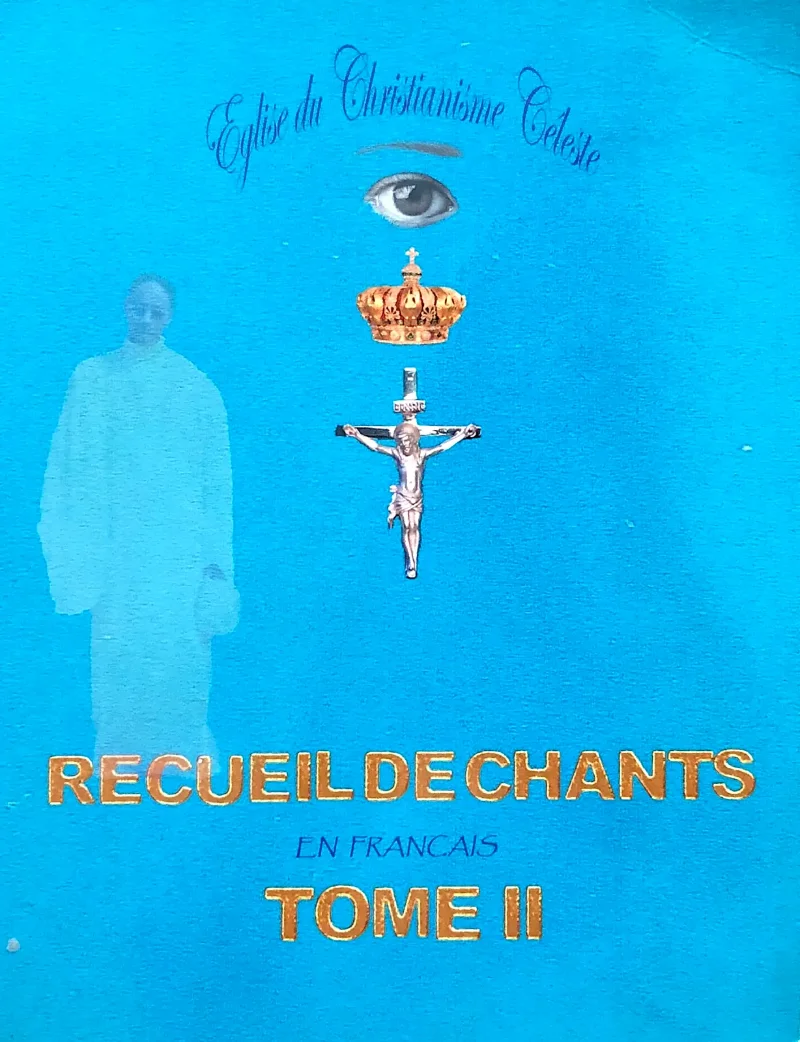
In French, 239 is sung in the Prophet OSCHOFFA's own translation, and he forbade anyone to alter it. This is the version given in the Recueil de chants en français – Tome II (Collection of hymns in French, Volume II), and it is the one every parish, in every country, must sing. It may be harmonised, that is, voices may be added; neither its words nor its melody are changed: “Revealed hymns: do not touch the melody”.
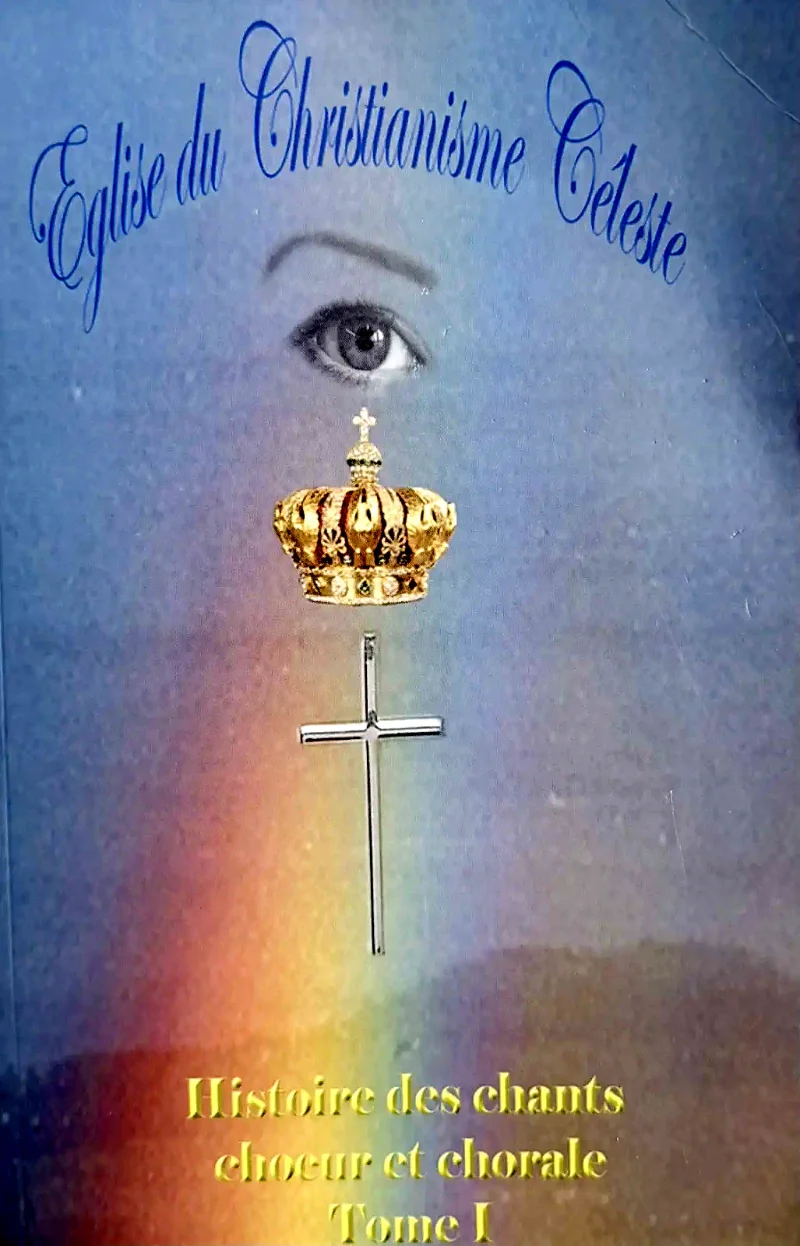
The story of the first service: 29 September 1947: the founding of the Church in Porto-Novo. The story of each hymn and of the choir is told in Histoire des chants – Tome I (History of the hymns, Volume I).